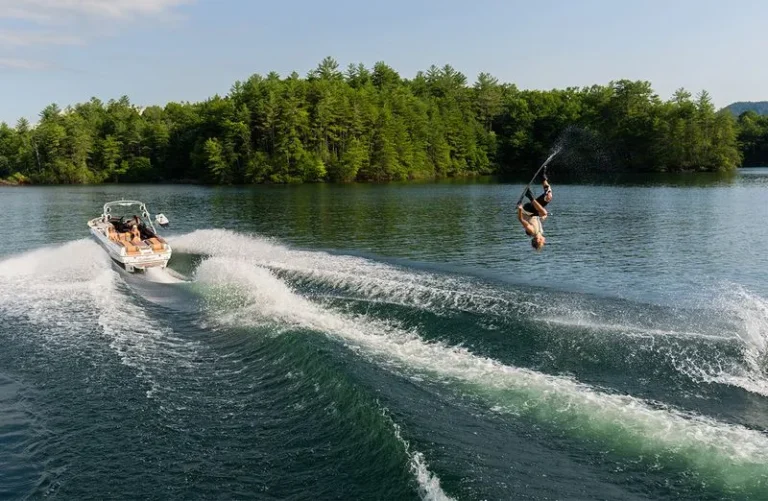
A premium towboat changes the way a South Florida weekend feels. The right boat can turn a quiet morning into a glassy ski set, an afternoon into a world-class surf session, and sunset into time that brings family and friends closer together. Understanding luxury towboat ownership costs before you buy helps keep that experience focused on the water rather than unexpected expenses.
The purchase price matters, but it is only one part of the ownership picture. Storage, insurance, routine service, fuel, equipment, and the way you intend to use the boat all influence the annual commitment. For many owners, the goal is not simply to own a boat. It is to enjoy an exceptional, dependable boating lifestyle with confidence.
Start With the Boat You Actually Plan to Use
A luxury towboat’s acquisition cost varies significantly by size, model line, powertrain, technology, trailer selection, and available features. A well-equipped wake boat may include premium upholstery, advanced surf systems, upgraded audio, onboard heating, tower accessories, trailer options, and intelligent helm technology. Those details elevate every day on the water, but they also shape the initial investment.
The best value is rarely the boat with the lowest upfront number. It is the boat that suits how your family will spend time on Biscayne Bay, in the Intracoastal, or on a favorite freshwater lake. A larger model with more seating may be the right choice for frequent entertaining. A more focused watersports layout may make greater sense for a family that prioritizes surfing, wakeboarding, or skiing.
This is where a thoughtful consultation pays off. Selecting the right configuration from the start can prevent costly aftermarket changes and ensure the boat feels right not just at delivery, but several seasons from now.
The Main Luxury Towboat Ownership Costs
Insurance and registration
Marine insurance is a necessary annual cost, and premiums depend on the vessel’s value, length, horsepower, where it is kept, the owner’s boating history, navigation territory, and chosen deductible. South Florida owners should expect insurers to consider hurricane exposure and whether the boat will be stored in a protected facility, on a lift, at a marina, or on a trailer.
Coverage should reflect the way you own the boat, not merely satisfy a lender or marina requirement. Ask about towing assistance, personal property coverage, uninsured boater protection, agreed-value coverage, and storm-related requirements. Florida registration and applicable taxes are also part of the initial and ongoing administrative picture, though these costs are generally modest compared with insurance and storage.
Storage, marina access, and hurricane planning
Storage is often one of the largest recurring expenses for Miami-area boat owners. The right choice depends on convenience, access to your preferred waterways, security, service availability, and storm preparedness.
Dry stack storage can be appealing for owners who want professional handling, reduced sun exposure, and quick access without managing a trailer. A wet slip offers immediate waterfront convenience and a distinctly coastal lifestyle, but it can require greater attention to bottom condition, corrosion prevention, and hurricane protocols. Keeping a boat on a private lift can be ideal when the property and location support it, while trailer storage gives owners more flexibility to travel between locations.
Rates vary widely by facility, boat size, location, and service level. When comparing options, look beyond the monthly rate. Consider launch procedures, operating hours, freshwater rinse practices, hurricane haul-out policies, covered versus uncovered storage, and whether service coordination is available onsite. Convenience has real value when the goal is to use the boat often.
Fuel and day-to-day use
Luxury towboats are built for performance, and wake sports require power. Ballast, passengers, speed, water conditions, and the length of each outing affect fuel consumption. A relaxed cruise uses fuel differently than a full day building a surf wave with ballast loaded and multiple riders rotating through the set.
Rather than trying to predict fuel costs from one universal number, estimate them from your habits. Think about how many days each month you will run the boat, how far you travel, whether you prefer long cruises or protected-water sessions, and how frequently you run watersports. South Florida fuel prices can fluctuate, so it is wise to build flexibility into the annual budget.
Consumables also deserve consideration. Dock lines, cleaning supplies, life jackets, tow ropes, boards, fenders, sunscreen, ice, and refreshments are smaller individual purchases that become part of the rhythm of ownership. They are not reasons to avoid boating. They are simply part of planning for effortless days on the water.
Service Protects the Experience
Routine maintenance is one of the most worthwhile investments an owner can make. Modern premium towboats combine sophisticated engine systems, electronics, surf technology, audio equipment, upholstery, and marine hardware. Regular care protects performance, resale value, and the confidence to invite people aboard without hesitation.
Annual service commonly includes engine and drive inspection, oil and filter changes, impeller checks, battery testing, fluid inspection, safety equipment review, and a general systems assessment. In Florida, saltwater or brackish-water use adds another layer of care. Thorough rinsing, corrosion inspection, careful cleaning, and proactive attention to metal components and electrical connections become especially important.
A boat used exclusively in freshwater may have a different maintenance profile than one that sees coastal water regularly. Likewise, an owner who logs frequent hours through a year-round season should budget differently than someone who uses the boat primarily on selected weekends. Follow the manufacturer’s service intervals, and address small concerns early. A minor issue handled promptly is usually less disruptive and less expensive than a repair deferred into peak season.
Detailing and cosmetic care
Luxury ownership is also visual and tactile. Premium marine upholstery, gelcoat, flooring, tower finishes, and glass benefit from consistent care, particularly under South Florida sun. Professional detailing, ceramic or protective treatments, upholstery conditioning, and covered storage can help preserve the boat’s appearance.
This category is flexible. Some owners enjoy washing and preparing the boat themselves after every outing. Others prefer professional wash plans and detailing because their time is better spent with family or clients. Either approach can work, as long as the boat receives the attention its materials and environment require.
Equipment, Upgrades, and Personalization
Many buyers reserve part of their budget for the equipment that makes the boat feel personal. That may include surfboards for different riders, a wakeboard package, a premium sound upgrade, added shade, cold-weather accessories for travel, or trailer enhancements.
Not every option needs to be chosen on day one. In fact, it can be smart to spend a season learning how the family uses the boat before adding certain accessories. A serious surfer may prioritize a board quiver and coaching. A family that frequently hosts sunset cruises may place greater value on shade, audio, and comfort features.
The trade-off is simple: factory-selected options are often integrated cleanly into the boat and may support resale appeal, while aftermarket upgrades provide flexibility after you understand your preferences. The right path depends on how certain you are about your ideal ownership experience.
Depreciation and Resale Value
Like most recreational assets, a luxury towboat depreciates over time. The rate is influenced by the model, condition, engine hours, maintenance history, market demand, storage practices, and the overall appeal of its specification. Boats with documented service, clean interiors, well-maintained gelcoat, and desirable watersports features are generally easier to position when it is time to upgrade or sell.
Depreciation should be considered honestly, but it should not be viewed in isolation. A boat is also a platform for time outside, skills developed, traditions created, and memories that do not fit neatly into a spreadsheet. The practical goal is to protect the asset while enjoying it enough to justify ownership.
Build an Ownership Budget Around Your Lifestyle
A clear annual plan should include storage, insurance, routine maintenance, fuel, detailing, and a reserve for unexpected repairs or replacement equipment. If financing is involved, include the monthly payment and confirm how it fits alongside those operating costs. Owners who prefer a fully managed experience may also budget for concierge services, captain assistance, transport, or professional cleaning.
The most useful budget is not the most conservative or extravagant one. It is the one that makes room for how you genuinely want to boat. If your vision includes weekly surf sessions, family holidays, and spontaneous coastal cruising, plan for the usage that supports that vision.
A premium towboat should feel like an invitation, not a checklist. With the right model, storage plan, maintenance guidance, and ownership budget in place, your investment can stay centered on what matters most: showing up, bringing your people aboard, and finding more reasons to get out on the water.