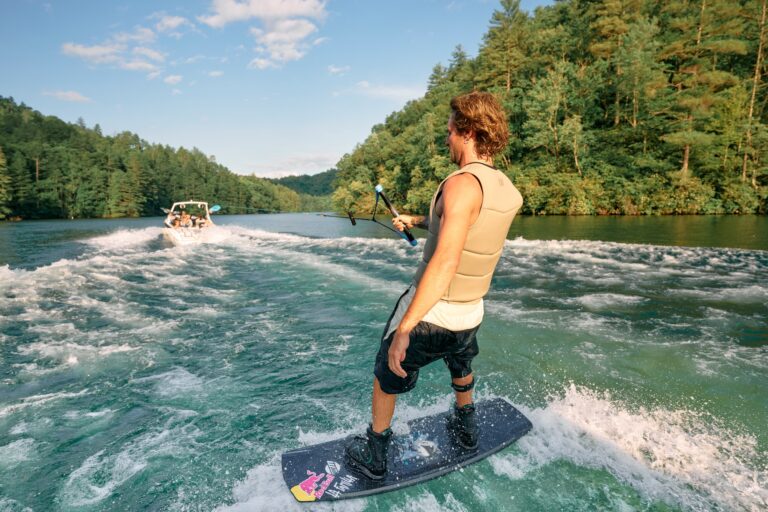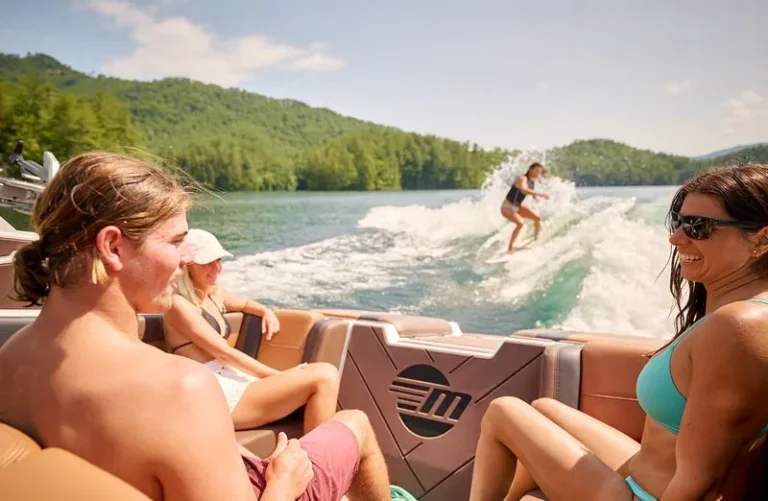
A premium towboat is where early-morning glass, a perfect surf wave, and a full afternoon with family come together. Boat insurance is what helps protect that experience when the unexpected interrupts it – whether that means a dockside collision, storm damage, a submerged object, or an injury involving a guest.
For South Florida owners, choosing a policy is not simply a box to check before launch day. Year-round use, busy waterways, hurricane exposure, marina requirements, and the value of a Malibu or Axis boat all make the details matter. The right coverage should reflect how you actually plan to enjoy your boat, not just the minimum policy a lender or marina will accept.
What Boat Insurance Is Designed to Protect
Boat insurance generally combines protection for the vessel with liability coverage for what may happen while you own or operate it. The balance between those two matters. A policy with a low premium can look attractive until its limits, exclusions, or settlement terms leave a meaningful gap after a loss.
Physical damage coverage, often called hull coverage, can help pay to repair or replace your boat after covered events such as collision, theft, vandalism, fire, or weather-related damage. For a premium wake boat, make sure the stated value accounts for the boat as equipped, not merely a base model. Ballast systems, towers, electronics, premium audio, trailers, boards, and other upgrades can add significant value.
Liability coverage may help if you are legally responsible for injury to another person or damage to someone else’s property. On congested waterways around Miami, this is not an abstract concern. A moment of distraction near a dock, another vessel, or a watersports participant can become expensive quickly. Medical payments coverage may also help with certain medical expenses for injured passengers, regardless of fault, up to the policy limit.
Many policies can include coverage for uninsured or underinsured boaters. This can be particularly valuable in high-traffic boating areas, where not every operator carries sufficient protection. Towing and assistance coverage, personal effects coverage, and fuel-spill liability may be available as well. Each is worth considering in light of where you keep your boat and how far you travel from home waters.
The Florida Factors That Change the Conversation
A boat insured for occasional lake use in a low-storm region has different needs from one kept and used in South Florida. Local conditions should guide the conversation with your insurance professional.
Hurricane and named-storm restrictions
Hurricane risk is one of the clearest reasons to read a policy beyond its headline price. Some policies have a separate named-storm deductible, which can be expressed as a percentage of the insured value rather than a fixed dollar amount. Others may require a documented storm plan or restrict coverage if the boat remains in a designated area when a named storm approaches.
Ask exactly what your insurer expects before hurricane season: Does the boat need to be hauled out? Is a secure marina berth acceptable? What proof of preparation is required? A strong plan protects your boat, but it also helps prevent an insurance disagreement when conditions are already stressful.
Saltwater use and navigation territory
Saltwater, coastal cruising, Intracoastal travel, and offshore operation can affect both eligibility and price. Policies typically define a navigation territory, meaning the geographical area where coverage applies. Do not assume that a policy written for Biscayne Bay automatically applies to a Bahamas trip or a longer coastal run.
Be clear about your intended boating life. If weekends may include a run to waterfront dining, a tow to a sandbar, or travel beyond your normal local routes, say so. The most useful policy is one designed around real use rather than a narrower description chosen to reduce the initial premium.
Marina, storage, and trailer requirements
Marinas frequently require proof of liability coverage, and some set minimum limits. Your lender may also require comprehensive physical damage coverage until the loan is paid off. If you trailer your boat, verify that the trailer is specifically covered and ask how loading, unloading, and road incidents are handled.
Where and how your boat is stored can influence risk. A covered lift, indoor rack storage, dry stack facility, trailer at home, and wet slip each present different exposures. Share those details honestly. They affect the policy, and they affect how well the policy responds.
Choose Coverage Limits With Your Lifestyle in Mind
Liability limits deserve more attention than they often receive. It can be tempting to choose the lowest limit that satisfies a marina or lender, especially when comparing premiums. Yet a premium boat often carries family, friends, and guests in active, high-energy settings. Watersports add another layer of responsibility because the rider, the tow rope, nearby vessels, and changing water conditions all demand careful operation.
There is no universal number that fits every owner. Your ideal limit depends on your assets, your comfort with risk, your boating environment, the number of guests you carry, and any umbrella policy you may have. Discuss these pieces together with a qualified insurance advisor. The goal is to make sure your boat policy and broader personal coverage work in concert rather than leaving a gap.
Consider the people and equipment that regularly join you on the water, too. A wake surf board, wakeboard, cooler, phones, cameras, and other personal gear may have limited coverage under a standard policy. If your boat is central to your family’s weekends, ask what happens to the items that make those weekends possible.
Agreed Value vs. Actual Cash Value
The settlement method is one of the most consequential details in a boat insurance policy. It determines how an insurer may value the boat after a covered total loss.
With agreed value coverage, you and the insurer establish the vessel’s insured value when the policy begins. Subject to the policy terms, that agreed amount may be paid for a covered total loss without depreciation changing the result. This approach can offer more predictability, particularly for a newer, highly equipped boat.
Actual cash value coverage generally accounts for depreciation at the time of loss. It may have a lower premium, but the payout can be lower as well. Neither structure is automatically right for every situation. An owner focused on lower upfront cost may accept actual cash value, while an owner who wants greater certainty around a substantial investment may prefer agreed value.
Ask whether accessories are included in the agreed value or scheduled separately. The distinction matters for a boat equipped with upgraded sound, surf technology, electronics, custom covers, or a premium trailer.
Questions Worth Asking Before You Bind a Policy
Insurance language can feel removed from the excitement of selecting your boat, but a short, focused conversation now can save real frustration later. Before signing, ask your agent how the policy handles the following:
- Damage while towing or launching the boat
- A guest injury during wake surfing, wakeboarding, or waterskiing
- Theft of boards, electronics, and personal gear
- Propeller, lower-unit, and submerged-object damage
- Emergency towing, salvage, and fuel-spill response
- A named storm, including deductible and preparation rules
Also ask whether there are exclusions related to operator age, experience, alcohol, paid charters, racing, or lending the boat to someone else. A recreational policy is not a substitute for commercial coverage if the boat will be used for business purposes. Clear expectations are far better than discovering a limitation after a claim.
Insurance Is Only One Part of Confident Ownership
A thoughtful policy works best alongside careful ownership. Complete a thorough delivery and on-water training session, keep maintenance records, know your local rules, inspect lines and safety equipment, and make sure each operator understands the boat before taking the helm. These habits support safer days and can make a claim easier to document if an incident occurs.
At Master Marine Prime, the ownership conversation extends beyond selecting the right Malibu or Axis model. It includes helping clients think through the practical decisions that protect the lifestyle they are investing in, from training and maintenance guidance to the details that support confident time on the water.
Your policy should never be an afterthought filed away with registration documents. Revisit it when you upgrade equipment, move marinas, add regular operators, change how you store the boat, or expand where you travel. The best boat insurance lets you focus less on what could go wrong and more on the people waiting for their next turn behind the boat.