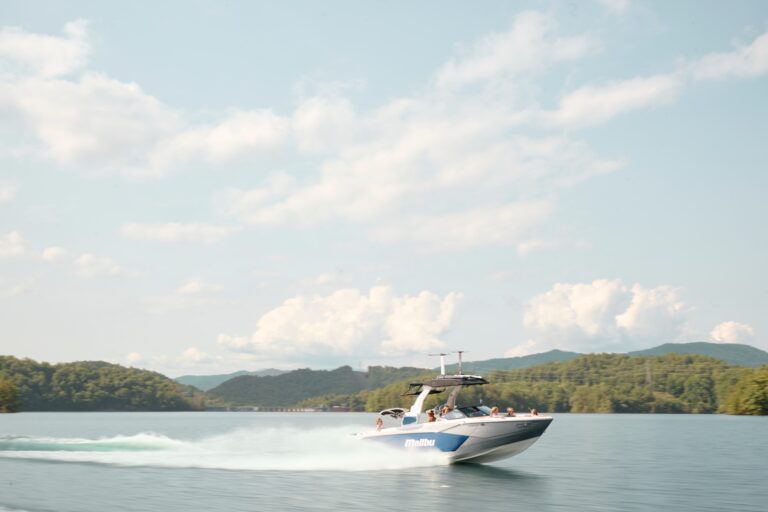
A premium day on the water should feel effortless, but that ease is built well before the engine starts. Boat safety is not about making a family cruise or wake session feel restrictive. It is what gives everyone aboard the confidence to relax, ride longer, and make the most of South Florida’s remarkable boating days.
For a first-time owner, the learning curve can seem substantial. For an experienced boater, familiar waters can sometimes create complacency. The best approach for both is the same: build a few disciplined habits into every outing, then make them second nature.
Boat Safety Begins at the Dock
The most valuable safety decisions happen before a boat leaves its slip, driveway, or ramp. Start with the people aboard. Confirm that every passenger knows where life jackets are stored, how to use the boarding ladder, and who is responsible for children when the boat is underway. Children should wear a properly fitted life jacket at all times, while adults should wear one whenever conditions, ability, or activity call for it.
A thoughtful pre-departure check also protects the experience you planned. Review the weather, wind, tides, and radar, particularly during South Florida’s afternoon thunderstorm season. A blue sky at the dock does not guarantee a calm ride home. Set a return time that leaves room for changing conditions rather than treating sunset as a deadline.
Before departure, check fuel level, battery charge, bilge operation, navigation lights, horn, and steering response. If you are towing watersports riders, inspect the rope, handle, and tow point as carefully as you would any other piece of performance equipment. A small issue is easier to solve at the dock than it is in a busy channel.
Carry the Required Gear – and Know Where It Is
Safety equipment only helps when it is accessible and everyone knows its purpose. Requirements vary by vessel size and operating area, so owners should stay current on applicable U.S. Coast Guard and Florida regulations. In practical terms, your core onboard equipment should include properly sized wearable life jackets, a throwable flotation device when required, a fire extinguisher when required, visual distress signals where required, a sound-producing device, and working navigation lights.
Keep the first-aid kit, emergency communications device, dock lines, and basic tools organized in consistent locations. On a premium towboat, storage is generous, but it is still wise to avoid burying emergency equipment beneath coolers, towels, and watersports gear. Let guests know where to find it before the boat is moving.
Drive for the Conditions, Not Just the Course
Miami-area waters can change character quickly. A protected cove, an open bay, a narrow channel, and an inlet each demand a different level of attention. Safe operation means maintaining a proper lookout, running at a speed that allows you to react, and giving other vessels, paddlecraft, swimmers, and fixed structures the space they deserve.
Idle-speed and no-wake zones are not merely interruptions between destinations. They protect shoreline property, smaller vessels, docks, and people in the water. They also give operators time to observe traffic patterns and identify potential hazards. Respecting those zones is part of being a considerate member of the local boating community.
Be especially deliberate around inlets, bridges, marinas, and popular sandbars. Traffic may be less predictable there, and a boat’s wake can affect people well beyond its immediate path. If visibility is reduced by rain, glare, darkness, or boat traffic, slow down. It may change the day’s itinerary, but it is never a compromise to arrive safely.
Alcohol deserves the same clear-eyed approach. Operating a boat requires judgment, coordination, and constant awareness. Designate a sober operator before leaving the dock, and do not let a relaxed social setting blur that responsibility. The person at the helm sets the tone for everyone aboard.
Watersports Require a Clear System
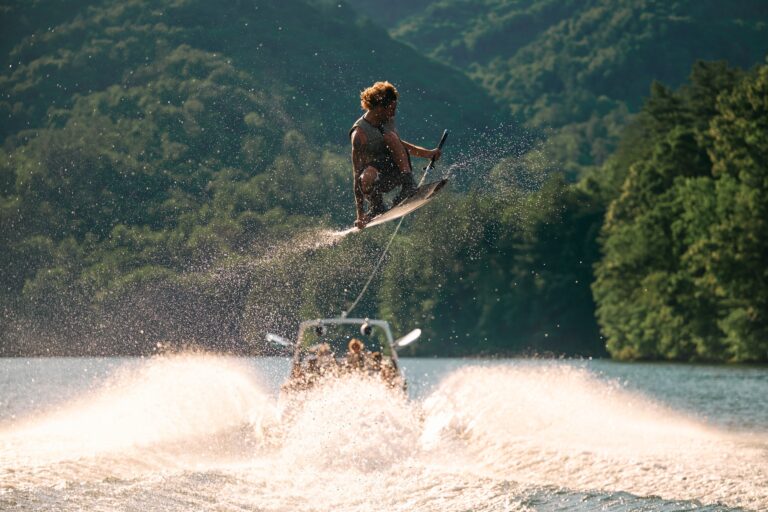
Wake surfing, wakeboarding, and skiing create the kind of shared moments that bring families and friends back to the water again and again. They also require a simple operating system that everyone understands.
For any towing activity, use a dedicated observer in addition to the operator. The observer watches the rider, communicates with the driver, and helps ensure the rider is clear before the boat accelerates or turns. Establish hand signals before the first set. A rider’s thumbs-up, slow-down signal, stop signal, and return-to-dock request should never need interpretation at speed.
Keep the rider well clear of the propeller and engine area. The engine should be off whenever someone is boarding from the water near the stern, and no one should enter the water until the vessel is fully stopped and the operator has confirmed the area is safe. For wake surfing, maintain appropriate distance from shorelines, docks, anchored boats, swimmers, and other water users. A great wave is only great when it is created with respect for the water around you.
It also pays to match the session to the crew. A beginner does not need the same speed, wake shape, or run length as an experienced rider. Starting conservatively helps riders build confidence, keeps fatigue in check, and lets the whole boat enjoy the session.
Make Passengers Part of the Plan
The operator carries the legal responsibility, but a well-prepared crew makes every outing safer. Before getting underway, explain the rules for seating, moving around the boat, using the swim platform, and keeping hands and feet clear during docking. On rougher water, ask passengers to remain seated and hold on. This is particularly important for children and older family members, who can be more vulnerable to a sudden change in direction or an unexpected wake.
A float plan is another understated habit with real value. Tell a trusted person where you are going, who is aboard, and when you expect to return. If plans change significantly, send an update when practical. It takes moments and gives others a useful starting point if you are delayed.
For families, assign age-appropriate roles. One person can help count life jackets, another can manage towels and loose items before departure, and a capable teen can learn how to operate the horn or assist with lines under supervision. These small responsibilities build boating confidence without placing anyone in a role they are not ready to handle.
Training Turns Ownership Into Confidence
Many safety concerns disappear when owners have time to learn their boat in a calm, supported setting. Docking, trailering, switching between rider profiles, reading navigation markers, and handling a busy fuel dock all become more comfortable through practice. The goal is not to make every owner an expert overnight. It is to create calm, repeatable decision-making.
That is why delivery orientation and on-water training deserve more attention than they often receive. A premium boat brings advanced controls, performance capability, and refined comforts together. Learning how each system works – and when not to use it – protects both the vessel and the people enjoying it. At Master Marine Prime, the ownership conversation extends beyond selecting the right Malibu or Axis model to helping clients feel capable from their first launch onward.
Practice should continue after delivery. Take an early weekday outing focused on maneuvering, anchor handling, and low-speed control. Choose a familiar route. Invite only one or two people. Removing the pressure of a full social day gives you room to learn the boat’s response and develop good habits at your own pace.
Know When to Change the Plan
The strongest operators are not the ones who push through every condition. They are the ones who recognize when the wind is building, a storm line is approaching, a passenger is uncomfortable, or fatigue is starting to affect judgment. Turning back, moving to protected water, skipping a tow set, or ending the day early can be the right call.
That flexibility is part of the freedom of boat ownership. There will always be another calm morning, another sunset cruise, another perfect set behind the boat. Protect the people who make those days meaningful, and every time you leave the dock, you create more room for the memories worth keeping.