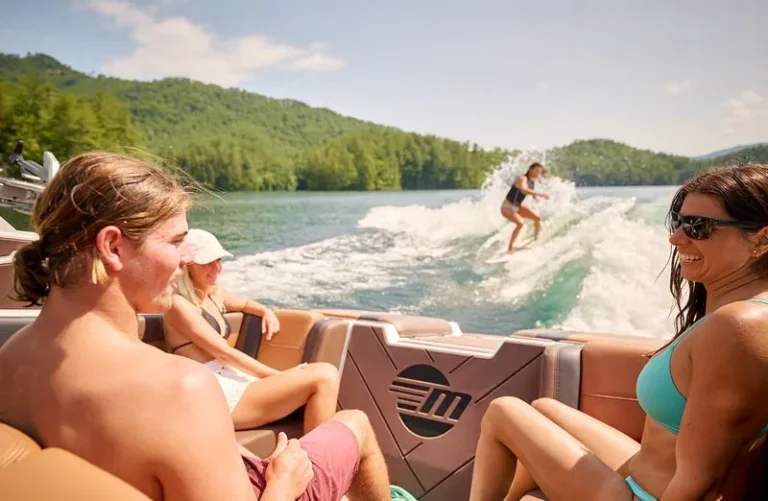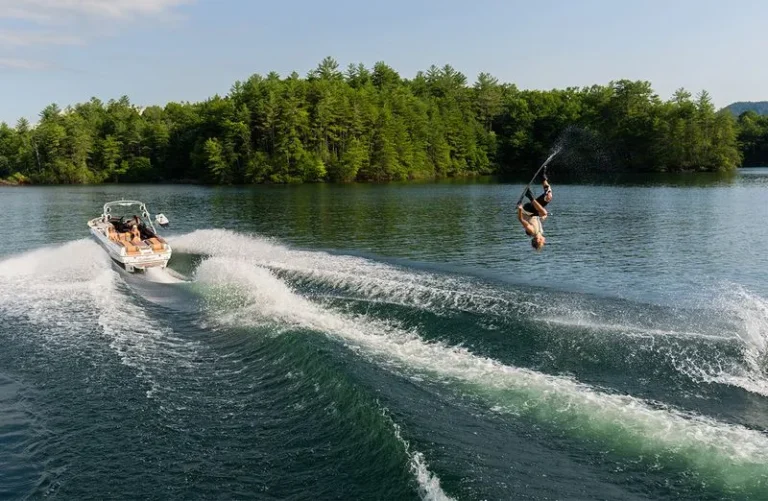
The first time you ease a new towboat away from the dock, the day is already in motion. Friends are ready to ride, the sound system is on, and Biscayne Bay may look wide open. That is exactly why new wake boat owner training matters. A premium Malibu or Axis is built to create remarkable days on the water, but confidence comes from knowing how to operate it thoughtfully before the first set begins.
For a new owner, training is not a quick walkthrough of buttons and screens. It is a hands-on introduction to the decisions that shape every outing: where to launch, how to approach a crowded dock, when conditions are right for towing, how to set up a rider safely, and what your boat needs after a day in South Florida’s saltwater environment. The goal is simple: make ownership feel as rewarding and natural as it should.
Start With the Boat at Rest
Before learning to make a wave, take time to understand how your boat behaves while stationary and at idle. This is where most first-day nerves live, especially around marinas, fuel docks, ramps, and restaurants.
Become familiar with the helm layout while the engine is off. Know where the battery switch, blower controls, bilge pump, navigation lights, horn, fire extinguisher, throwable flotation device, and dock lines are located. You should also be comfortable using the touchscreen for basic functions without taking attention away from the water around you.
Then practice the pre-departure routine until it becomes automatic. Check the weather, confirm the fuel level, inspect the prop area, make sure the drain plug is installed, and account for every passenger and life jacket. In Florida, a calm morning can become a breezier afternoon quickly. A float plan is not overly formal for a family day out. Let someone ashore know where you expect to be and when you plan to return.
A boat’s wake-shaping technology, audio, lighting, and premium seating add to the experience. They do not replace the basics. A capable operator first knows how to start, stop, steer, communicate, and respond when a plan changes.
New Wake Boat Owner Training Begins at the Dock
Docking is a learned skill, not a personality trait. Even experienced boaters need time to adjust to a new hull, windage, throttle response, and marina layout. The best way to learn is in a quiet area, with a patient instructor and enough space to make small corrections.
Use brief, deliberate shifts between forward, neutral, and reverse. At low speed, the boat will respond more to momentum, wind, current, and prop walk than to steering input. Avoid the temptation to add throttle when the approach feels imperfect. Slow down, reset, and make another approach. Gelcoat, cleats, and confidence all benefit from patience.
Assign simple roles before leaving the dock. One person handles the bow line, another the stern line, and everyone understands that hands and feet stay clear of the gap between the boat and dock. A fender protects the boat, but it does not make a poor approach harmless.
For South Florida owners, it also pays to practice in the conditions you will actually face. Tidal flow, weekend traffic, wind moving through a marina, and a busy fuel dock can all change the feel of an otherwise familiar location. Start early on a weekday if possible. That extra room to learn is valuable.
Build a Safe Towing Routine
Wakeboarding and wakesurfing are social sports, yet the operator has a focused job. A successful set begins before the rider enters the water.
Confirm that the rider has a properly fitted U.S. Coast Guard-approved life jacket and that the observer is ready to watch the rider at all times. The observer should communicate with the rider and alert the operator to hand signals, falls, approaching traffic, or changes in the rider’s position. The driver watches ahead. This division of attention is fundamental.
Keep a clear understanding of local and state requirements, including the appropriate distance from people in the water, other vessels, docks, and shorelines. Rules can vary by location and conditions, so training should include the waterways you plan to use most often. Open water, narrow canals, no-wake zones, and popular sandbar areas each demand a different operating mindset.
When the rider is ready, bring the boat on plane with smooth, controlled throttle. Sudden acceleration can make the start harder for the rider and less comfortable for passengers. Once underway, scan continuously. A beautiful surf wave is only worthwhile when there is ample room, clear visibility, and predictable traffic.
Never allow anyone to enter the water near the boat while the engine is running. Before picking up a fallen rider, bring the boat to idle, approach carefully from downwind or down-current when practical, and keep the rider in view. Shut the engine off whenever people are boarding or are close to the prop area.
Learn Your Wake Before Chasing the Perfect One
Malibu and Axis wake boats give owners meaningful control over the on-water experience. Ballast, speed, trim, surf settings, and rider preferences can be adjusted to create a clean, enjoyable wave or wake for different skill levels. That capability is a reason to learn the system in stages.
Begin with one activity and a simple setup. If your family is learning to wakesurf, start with a conservative ballast configuration, moderate passenger placement, and a speed recommended for the boat and rider. Give the system time to fill or drain completely, and avoid making several major changes at once. You will learn faster when you can identify what changed and why.
Passenger placement matters. Moving people can affect the shape and length of the wave, but it also changes the boat’s balance and visibility. Keep the helm sightline clear and do not overload one side simply to chase a larger wave. The best setup is not always the largest setup. For newer riders, a consistent, forgiving wave often delivers more fun than a highly customized one.
It also depends on where you are boating. Protected water may support a better surf session than a choppy, high-traffic area. If the water becomes rough or visibility drops, shift the plan. Cruise, anchor in an approved area, or head in. Good ownership is knowing that not every outing needs to become a performance session.
Protect the Investment After Every Outing
A premium wake boat is designed for memories, but it rewards consistent care. In North Miami and across South Florida, saltwater use makes your post-trip routine especially important.
After each outing, rinse the exterior thoroughly with fresh water, including the trailer if one was used. Flush the engine according to the manufacturer’s procedure, clean the interior with marine-appropriate products, remove food and wet gear, and open compartments so moisture can escape. Pay attention to the swim platform, upholstery seams, tower hardware, and any area where salt residue can collect.
Before covering or storing the boat, inspect it. Look for loose lines, damage to the prop or running gear, unusual fluid levels, warning messages, and debris around the intake area. Small issues are easier to address when they are caught early, before a planned weekend or a holiday outing.
Keep a simple ownership log. Record engine hours, service dates, fuel treatments, cleaning routines, and any questions that come up while operating the boat. This is useful for maintenance planning and gives you a clearer picture of how your family uses the boat over time.
Practice the Scenarios That Create Confidence
The most effective training includes repetition, not just instruction. Schedule a few lower-pressure outings before inviting a full group aboard. Run through launching, docking, towing, anchoring, and returning to the ramp or marina. Let a trusted family member practice the observer role as well.
A useful first-month checklist includes:
- Completing several dock approaches in light wind and current
- Practicing rider pickup and communication signals with an observer
- Learning one dependable wakeboard or surf setup before experimenting
- Reviewing required safety equipment before every departure
- Establishing a freshwater rinse and engine-flush routine after saltwater use
Training should continue as your comfort grows. A first-time owner may focus on calm-water handling and safe rider pickups. An experienced owner stepping into a more advanced Malibu or Axis model may spend more time refining settings, balancing a larger crew, or adapting to a different propulsion and control system. Both benefit from a trusted marine partner who understands the boat and the way the owner wants to use it.
Master Marine Prime approaches delivery and training as the beginning of an ownership relationship, not the final step in a purchase. Questions will come up after the first sunset cruise, the first surf session, and the first time conditions do not go exactly as planned. That is normal. The right guidance turns those moments into experience.
Your wake boat should become the place where your family lingers a little longer, your friends learn a new sport, and weekends take on a different rhythm. Give yourself the time to learn it well, and every departure from the dock will feel more like the beginning of a great day than a test.