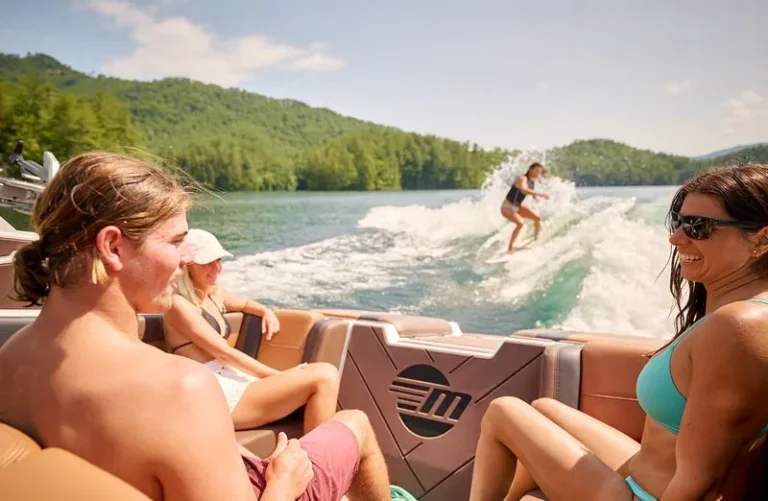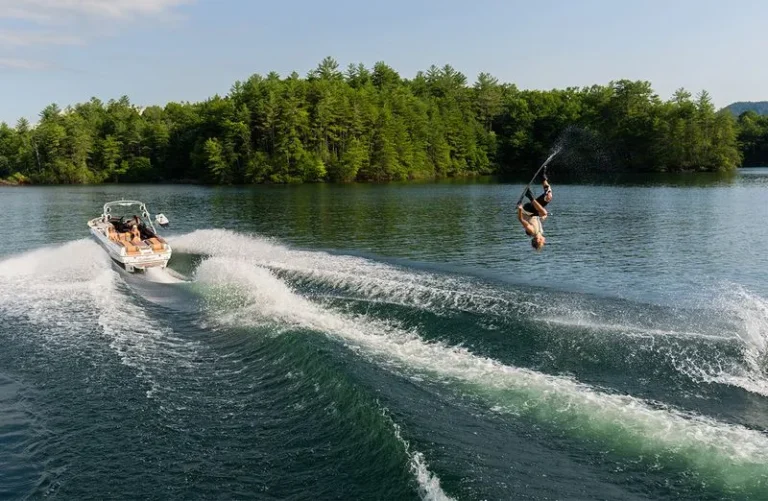
A Malibu LSV family wake boat is built for the kind of Saturday that rarely follows a schedule. Your early crew may want glassy water and a surf session. By midday, the kids are swimming, friends are climbing aboard, lunch is coming out of the cooler, and the plan has shifted from riding to simply staying out longer. The right boat should not make that change feel like a compromise.
For South Florida families, that balance matters. We have year-round access to the water, a social boating culture, and plenty of reasons to use a boat beyond a single sport. The Malibu LSV lineup has earned its place as a favorite among owners who want exceptional wake performance without giving up the comfort, space, ride quality, and thoughtful details that make a full day aboard feel refined.
Why the Malibu LSV Works for Family Boating
An LSV is not a narrowly focused competition boat that only shines when the rider is behind it. It is a premium towboat designed around versatility. Its hull, ballast systems, surf technology, and onboard controls support serious wakesurfing and wakeboarding, while the boat’s layout gives family and guests room to relax between sets.
That combination is particularly valuable when you are bringing different experience levels together. One person may be chasing a longer, more defined surf wave. Another may be learning to get up on a wakeboard for the first time. Younger passengers may be more interested in music, shade, a smooth ride, and a comfortable place to sit. An LSV allows the day to accommodate all of them.
The experience also feels intentional rather than improvised. Deep seating, premium upholstery, purposeful storage, and a driver-centric helm create an environment that is welcoming for guests and manageable for the owner. On a boat that will become part of your family’s routine, those details have real value.
A Wave That Can Meet the Moment
Wake sports are personal. A rider’s preferred wave depends on their size, board, ability, and style. Malibu’s wake-shaping technology gives the driver meaningful control over the wave, allowing adjustments to the boat’s ballast, running attitude, and surf side from the helm. The result is a more adaptable setup than the old approach of moving people around the boat and hoping for the best.
For a family, this means less time reconfiguring and more time enjoying the water. You can create an approachable wave for a new rider, then refine the shape and push for someone ready to progress. The LSV’s reputation is rooted in this ability to produce a clean, powerful, customizable wave while maintaining the polished driving experience Malibu owners expect.
The trade-off is that the best setup still takes some learning. A premium wake boat offers more capability, but it also rewards an owner who understands how weight distribution, speed, rider preference, and water conditions work together. Delivery orientation and practical on-water training are not extras. They are part of becoming confident with the boat.
Comfort Is Part of Performance
A family boat needs to work before the engine starts and after the rider drops the rope. The LSV layout is designed around that reality. There is room for conversation, a clear social center in the cockpit, and storage that helps keep boards, life jackets, towels, and watersports equipment from taking over every available seat.
That makes a difference on Biscayne Bay, in inland waterways, or during a long day with several families aboard. A boat may have an outstanding wave, but if passengers are crowded, gear is underfoot, or the ride home feels tiring, people will use it less often. The LSV is compelling because it treats hospitality as a core part of the ownership experience.
Available features and options can further shape the atmosphere aboard, from premium audio to lighting, tower choices, seating configurations, and convenience-focused upgrades. The best selection is not necessarily the most heavily equipped one. It is the one that suits how your family will actually boat.
Choosing the Right Malibu LSV Family Wake Boat
The key question is not simply, “Which LSV is best?” It is, “Which LSV fits the way we will use it most?” Size, capacity, storage needs, towing plans, marina access, and the number of regular guests all belong in the conversation.
A family that typically boats with four to six people may prioritize an agile footprint, straightforward trailering, and a layout that still feels open when the boat is fully equipped for watersports. A larger family or a highly social owner may want more seating, more gear capacity, and more room to host comfortably during a sunset cruise or raft-up.
The larger the boat, the more considerations come with it. Storage at home, lift dimensions, slip availability, towing vehicle capability, launch ramps, and maneuvering in tighter marina spaces should all be evaluated early. More capacity can be a major advantage, but only if it fits your real-world logistics.
Consider Where You Will Run
LSV models are purpose-built towboats, and they are at their best on protected waterways where families can enjoy smooth runs and create consistent wakes. South Florida’s marine environment can change quickly, however. Wind, boat traffic, tidal movement, and afternoon weather can turn a calm outing into a choppier ride.
A thoughtful boat selection conversation should include the waters you use most often, where you launch or keep the boat, and whether your plans include frequent open-water crossings. A towboat can be a fantastic choice for coastal boating when used thoughtfully and within appropriate conditions, but it should not be treated like an offshore center console. Knowing the difference protects both your investment and the comfort of everyone aboard.
Think Beyond the First Season
The best boat is one that still fits when your confidence grows. Perhaps your children are beginners now but will soon want to bring friends. Perhaps you currently see the boat as a weekend escape but expect it to become the gathering place for holidays, birthdays, and sunset cruises.
This is where choosing Malibu becomes about more than immediate wake performance. The LSV can support progression. It gives newer owners an approachable platform, while its deeper performance capability keeps experienced riders engaged. It also presents a premium setting that feels appropriate whether you are pulling a rider or hosting clients, friends, and family for an unhurried afternoon on the water.
Ownership Should Feel Supported
Buying a premium boat is the beginning of a relationship with the water, not the end of a transaction. The first season brings questions: How should the boat be loaded for the best wave? What is the right way to care for upholstery in Florida heat? How should you prepare for changing weather, storage, and routine maintenance?
Clear answers build confidence. At Master Marine Prime, the goal is to understand each client’s boating aspirations before recommending a model and to remain a resource after delivery. That includes helping owners feel at ease with their boat’s systems, their driving routine, and the ownership habits that preserve the experience for years to come.
Maintenance deserves the same attention as selection. Florida sun, salt air, moisture, and frequent use all ask more from a boat than occasional freshwater weekends. Consistent cleaning, proper storage, engine and system service, battery attention, and proactive care help protect the finish, comfort, reliability, and resale appeal of a premium towboat.
The Boat That Brings Everyone Back
A Malibu LSV makes the strongest case for itself when the engine is off and nobody is ready to leave. It is in the rider who finally gets their first long surf ride, the kids jumping in for one more swim, and the friends who begin planning the next outing before the boat is back on the lift.
If that is the kind of ownership experience you want, focus on the LSV that fits your people, your water, and your future plans. The right decision is not just about buying a beautiful wake boat. It is about creating more reasons for the people you care about to spend time together on the water.